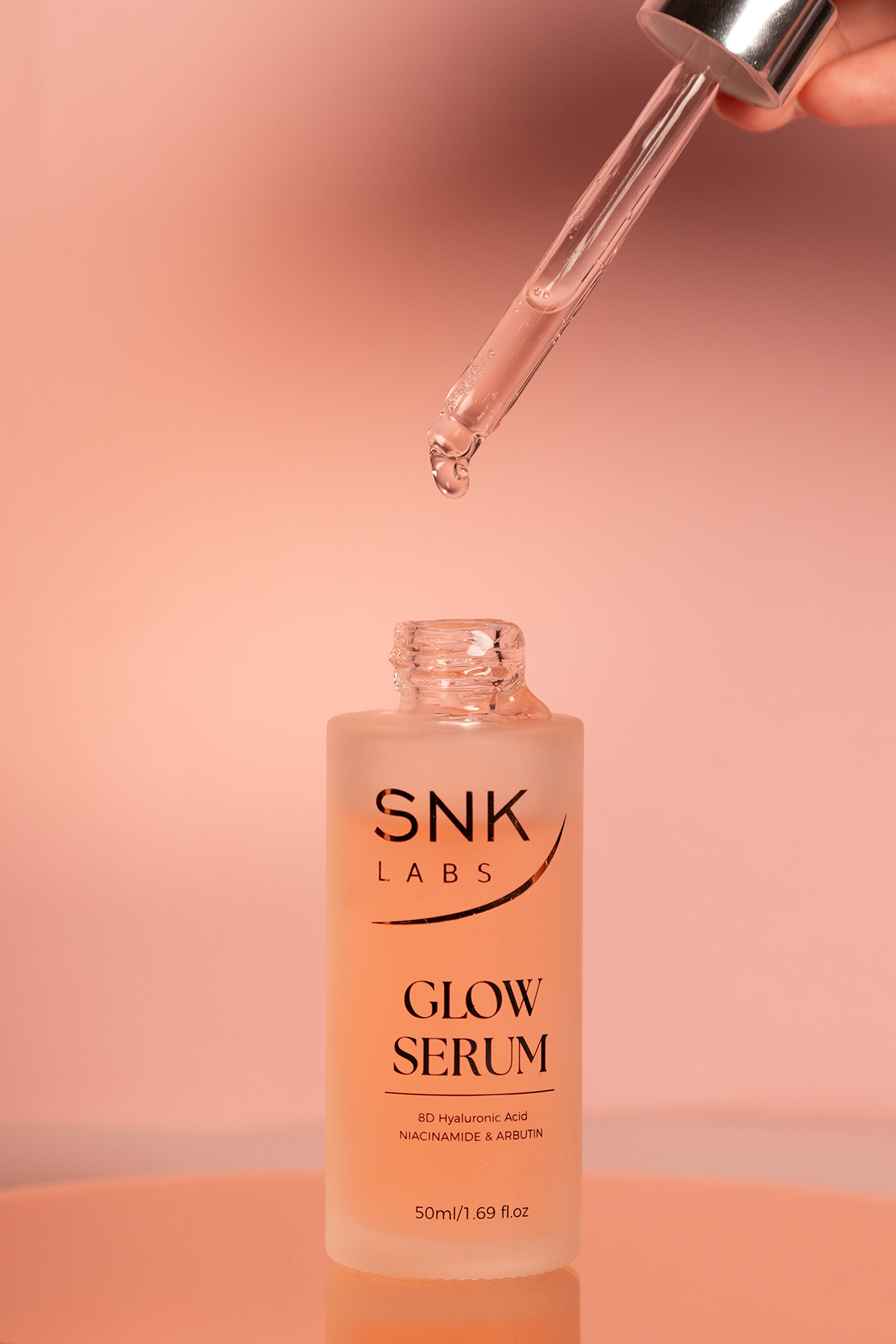



Skin Cycling Explained: Does the Four-Night Routine Work?

Skin cycling is a four-night rotation: an exfoliation night, a retinoid night, then two recovery nights with nothing active at all. The idea is to get the benefit of strong ingredients without using them often enough to damage your skin barrier. It's a scheduling method rather than a product range, and it costs nothing to try.
Most skincare advice tells you what to buy. Skin cycling tells you when to stop which is probably why it caught on, and certainly why it's more useful than most trends.
It was popularised by a dermatologist rather than a brand, and the underlying principle is sound. Here's how it works, who it suits, and where it's being overcomplicated.
The Four-Night Cycle
| Night | What you do | Why |
|---|---|---|
| 1 — Exfoliate | Cleanse, chemical exfoliant, moisturiser | Clears the surface so what follows works better |
| 2 — Retinoid | Cleanse, retinoid, moisturiser | The active doing most of the long-term work |
| 3 — Recovery | Cleanse, hydrate, moisturise. No actives | Lets the barrier catch up |
| 4 — Recovery | Same as night three | Two nights is the point, not one |
Then repeat. Mornings stay the same throughout: cleanse, hydrate, moisturise, sunscreen. Sunscreen is not optional on this routine exfoliants and retinoids both increase sun sensitivity.
Why Two Recovery Nights
This is the part that makes it work, and the part people cut.
Strong actives do their job by disrupting something speeding up turnover, dissolving the bonds between surface cells. Used sparingly that produces a visible improvement. Used nightly it outpaces your skin's ability to rebuild its barrier, and you get the familiar result: tight, stinging, red, reactive skin that suddenly can't tolerate products it used to.
Two consecutive nights off gives the barrier time to recover. One night doesn't, reliably.
If you're not sure what a compromised barrier feels like, our guide to why ceramides matter sets out the symptoms they're often mistaken for naturally sensitive skin.
Who It Actually Suits
Good fit:
- Anyone using both an exfoliant and a retinoid and unsure how to fit them around each other
- People whose skin has become reactive from doing too much
- Anyone starting a retinoid, where twice-weekly is a sensible beginning anyway
- People who like a structure to follow rather than a judgement call every night
Less relevant:
- Anyone not using actives at all there's nothing to cycle, and a simple consistent routine is fine
- People following a prescribed treatment plan, which should take precedence
- Very sensitive skin, which may need more than two recovery nights

Where It Goes Wrong
The method is sound. What's happened to it is less so.
Skipping the recovery nights. By far the most common error. If you drop them you've simply gone back to using actives every other night, which is what the method exists to prevent.
Turning recovery nights into treatment nights. A recovery night means cleanse, hydrate, moisturise. Adding a mask, a vitamin C or an acid toner isn't recovery.
Buying a cycling kit. Brands now sell products labelled for active and recovery nights. You don't need them. This is a schedule, and you can run it with what you already own.
Adding more cycles. Some versions now run six, eight or ten night rotations with several actives slotted in. At that point you've rebuilt the problem the method was designed to solve.
What Skin Cycling Won't Do
- It won't make actives work faster. It makes them tolerable, which is different and tolerable means you keep going
- It won't treat acne, rosacea or pigmentation. Those are conditions, and they need a GP or dermatologist
- It isn't necessary for everyone. If your skin is comfortable on your current routine, there's nothing to fix
- It won't rescue a badly damaged barrier on its own. If your skin is genuinely compromised, stop actives entirely for a few weeks first
A Simpler Version
If four nights feels like admin, the principle reduces to one sentence: use actives two or three nights a week, and do nothing active on the nights in between.
That's most of the benefit without a calendar. Skin cycling is useful because it gives people permission to do less and the structure is only valuable if it makes that easier rather than harder.
Frequently Asked Questions
What is skin cycling exactly?
A four-night rotation: exfoliation on night one, a retinoid on night two, then two recovery nights with no actives. It's a way of scheduling strong ingredients so they don't outpace your skin's ability to repair its barrier. You then repeat the cycle.
Does skin cycling actually work?
The underlying principle that most people over-use actives and damage their barrier doing it is well accepted. Whether four nights specifically is optimal is less established. What matters is building in genuine recovery, and the exact number is adjustable to your skin.
Do I need special skin cycling products?
No. It's a schedule, not a product range. Brands labelling products as active-night or recovery-night are selling you organisation you can do yourself. Use what you already have.
Can I skin cycle with sensitive skin?
Yes, and you may want three or four recovery nights rather than two. Start with one active night per week and build only if your skin stays comfortable. If it's reactive right now, pause actives completely for a few weeks before starting any rotation.
What goes on a recovery night?
Cleanse, something hydrating, and a moisturiser. Nothing active no acids, no retinoids, no vitamin C, no exfoliating masks. The restraint is the whole point, and adding a treatment turns it back into an active night.
The Takeaway
Skin cycling is one of the few skincare trends that asks you to use less rather than buy more, which is why it's worth paying attention to.
Two actives a week, two genuine nights off, sunscreen every morning. If you remember nothing else, remember that the recovery nights are the method not the optional part.
For more on barrier health, see our guides to ceramides and reading an ingredient list.
Two on. Two off. Sunscreen always.
Individual results may vary.