

Skincare Ingredients That Actually Do Something: A Plain-English Guide
🛍 Shop the Collagen Night Wrapping Mask →

Most skincare ingredients fall into three jobs: hydrating (drawing and holding water), supporting the skin barrier, and improving the appearance of tone and texture. Understanding which job an ingredient does tells you far more than the marketing on the front of the bottle.
Skincare has developed a strange vocabulary problem. Ingredient names have become brand names — products are sold as "the hyaluronic acid one" or "the niacinamide one" — while what those ingredients actually do goes largely unexplained. The result is a lot of people buying a second product that does exactly the same job as the one already on their shelf.
This guide is the plain-English version. No chemistry background needed, no brand loyalty required. Just what the main ingredient families do, what they can't do, and how to read a label well enough to work out whether a product is worth your money.
The Three Jobs Skincare Ingredients Actually Do
Almost everything in a mainstream skincare product is doing one of three things. Once you can sort ingredients into these categories, most of the confusion falls away.
- Hydrating — drawing water into the outer layers of the skin and holding it there. Humectants do this
- Supporting the barrier — reinforcing the outer layer that keeps moisture in and irritants out. Lipids and occlusives do this
- Appearance and tone — improving how even, bright or smooth skin looks over time. Most so-called actives sit here
The most common mistake in a routine is owning three products that all do the first job and none that do the second. Skin that feels hydrated when you apply something and tight again by mid-morning is usually skin with plenty of humectants and not enough barrier support.
| Job | Common ingredients | What you'd notice |
|---|---|---|
| Hydrating | Hyaluronic acid, glycerin, trehalose, panthenol | Skin looks plumper, feels more comfortable — fairly quickly |
| Barrier support | Ceramides, cholesterol, fatty acids, occlusive films | Less tightness and reactivity — over weeks |
| Appearance and tone | Niacinamide, alpha-arbutin, vitamin C, antioxidants | More even-looking tone — over months |
How to Read an Ingredient List
Two rules will get you most of the way, and both are on the back of the packaging you already own.
Rule one: ingredients are listed in descending order of concentration. Whatever appears first is present in the greatest amount. In the overwhelming majority of skincare products, that first ingredient is water — which is completely normal and not a criticism.
Rule two: below roughly 1%, order no longer applies. Once concentrations drop under about 1%, a manufacturer may list the remaining ingredients in any order they choose. The practical trick is to find a marker ingredient that's almost always used under 1% — a preservative like phenoxyethanol, or a fragrance — and treat it as a line in the sand. Anything appearing after that marker is present in a very small amount.
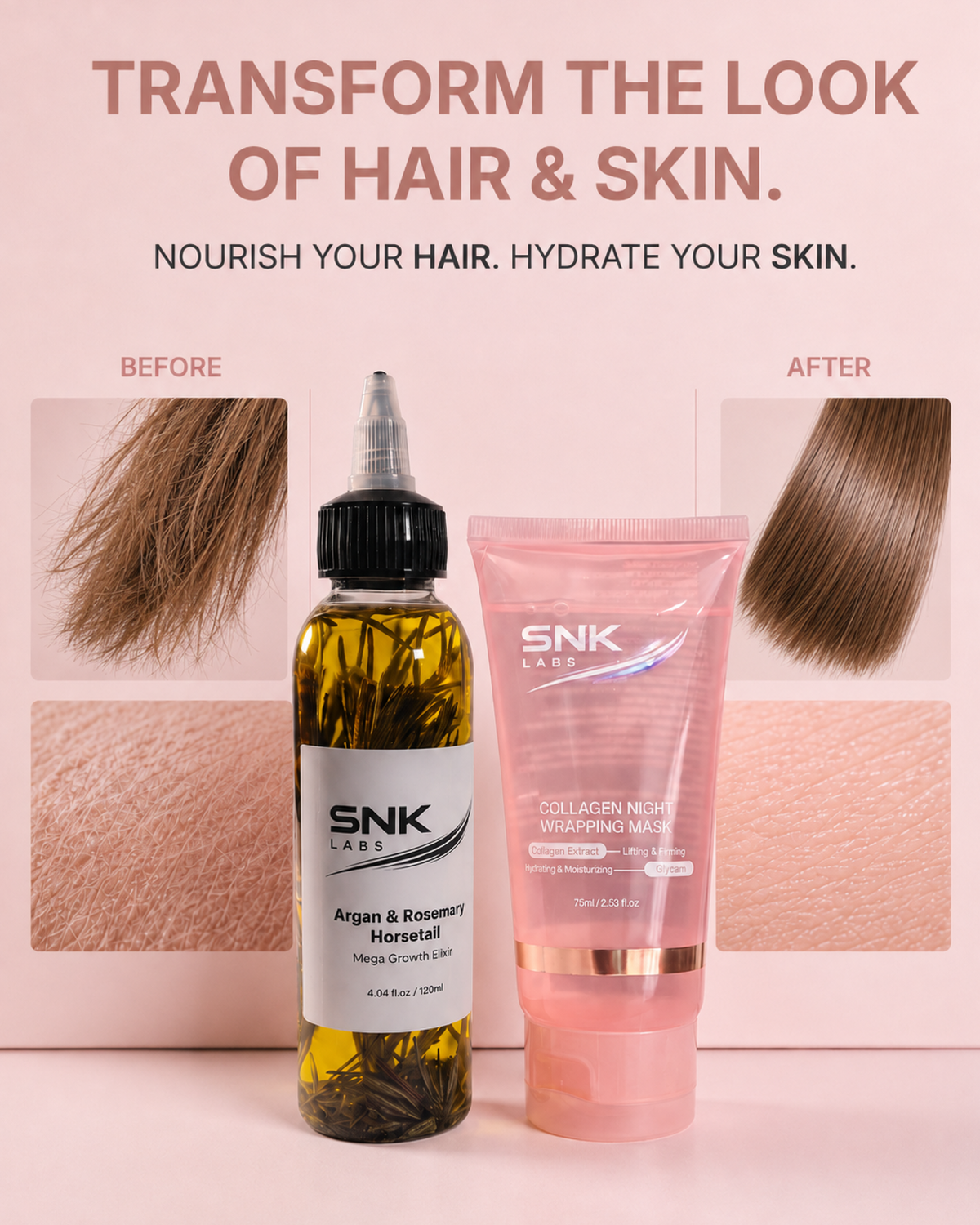
This is where a lot of front-of-bottle marketing quietly comes apart. If a product is named after a botanical or an active that turns up three places after the preservative, it is present — technically — but not in a quantity likely to do much. The same principle applies across categories; we make the same point about hair oils in our Australian guide to hair growth oils.
What this does not tell you is whether the concentration is appropriate. Some ingredients work perfectly well at fractions of a percent. High on the list isn't automatically good, and low isn't automatically bad — it's context that matters.
Hydrating Ingredients
Humectants attract water and hold it in the outer layers of the skin. They're the fastest-acting category and the reason a good hydrating product feels effective immediately.
Hyaluronic acid is the famous one. It's a humectant, not a treatment — it holds water, which makes skin look plumper and feel more comfortable. It doesn't rebuild anything. It also has a genuine catch: applied to dry skin in a dry environment, it can pull moisture from deeper in the skin and leave things worse than before. We're covering that properly, including the application mistake most people make, in a dedicated piece on 1 September.
Glycerin is the workhorse and, frankly, the better-value ingredient. It's one of the most-studied humectants in cosmetic science, it's inexpensive, it's well tolerated, and it does the job reliably. It rarely appears on the front of a bottle because it isn't fashionable.
Trehalose is a moisture-binding sugar that helps skin retain water, often used alongside glycerin.
Panthenol (provitamin B5) hydrates and has a soothing quality that suits skin that's feeling irritated.
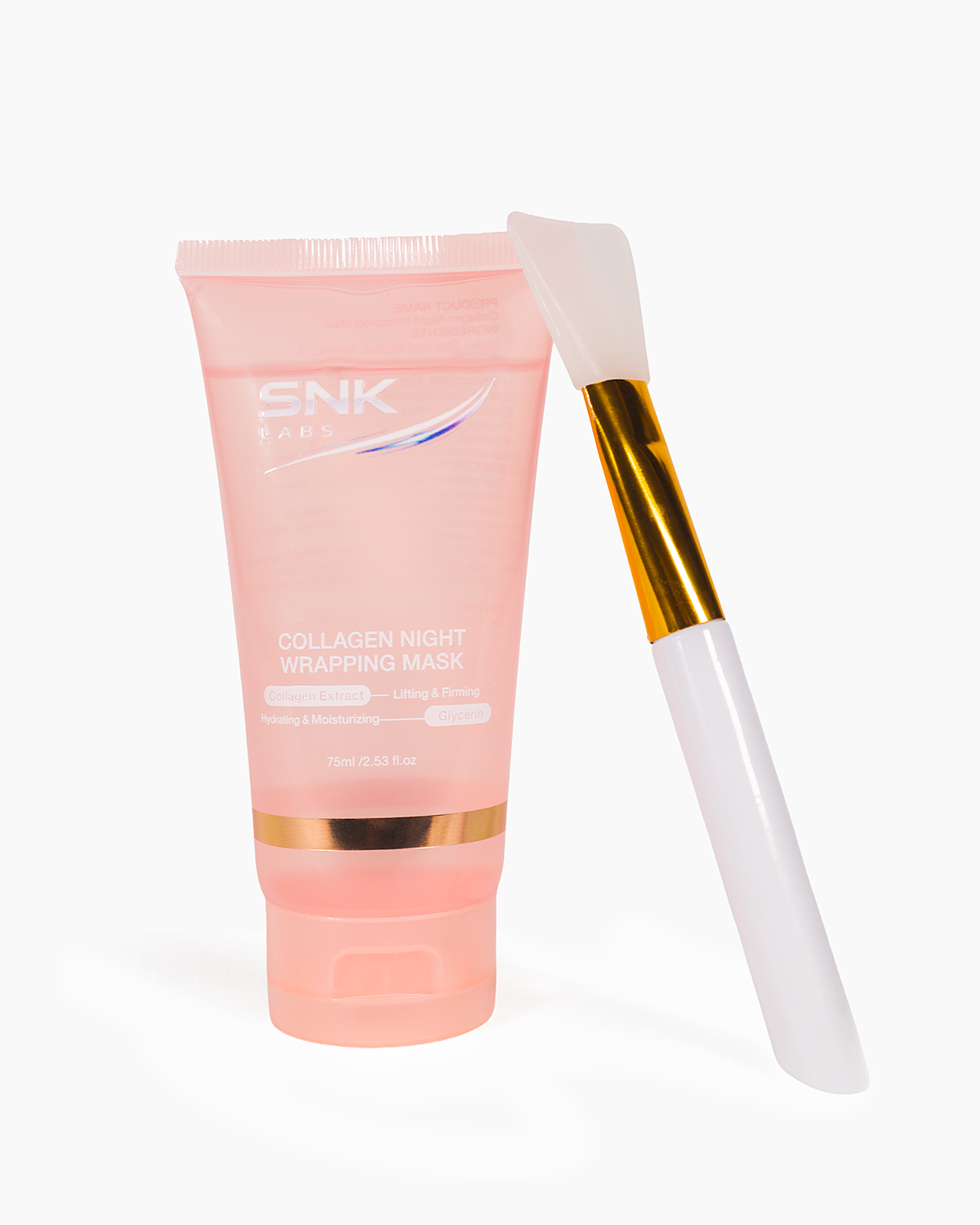
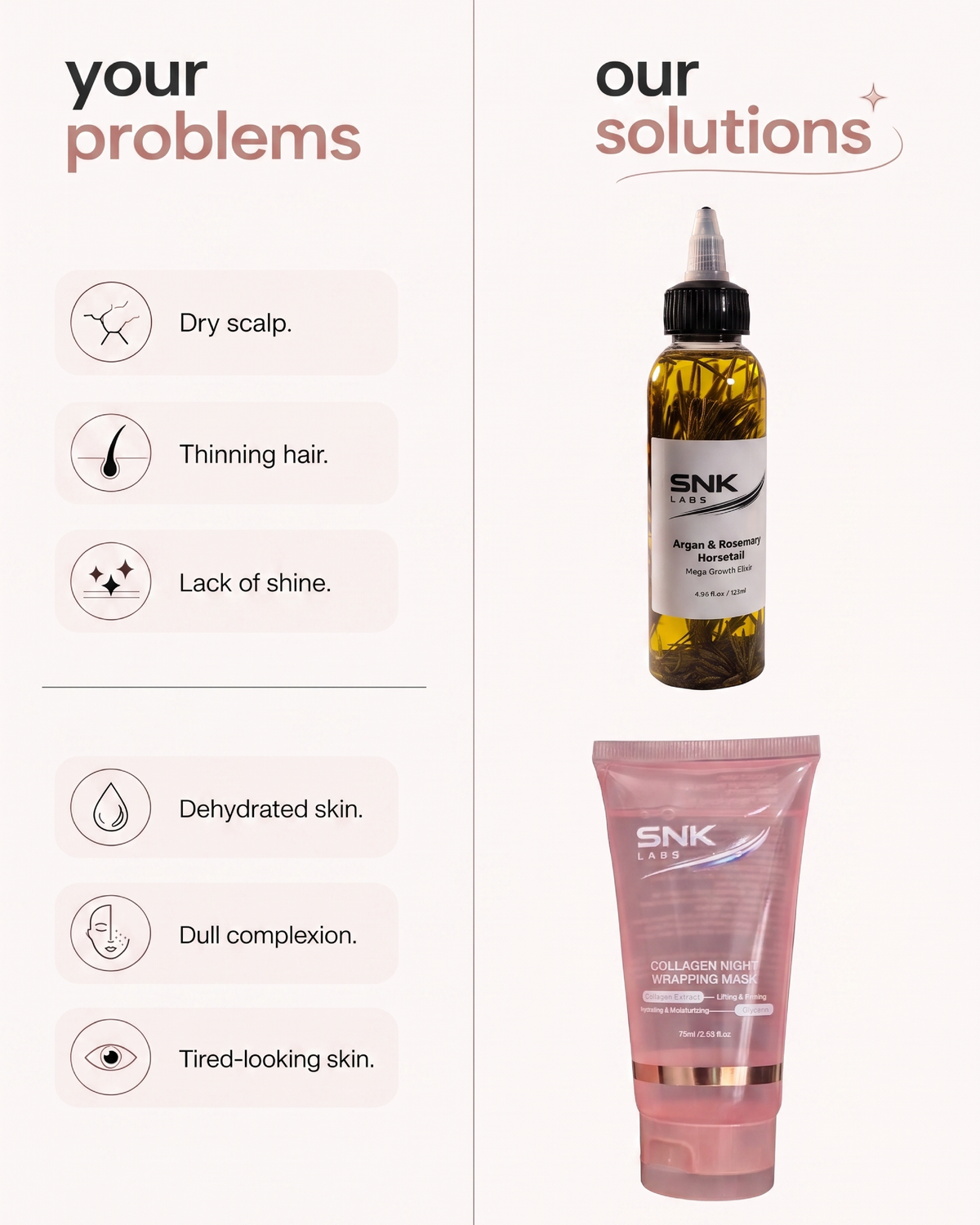
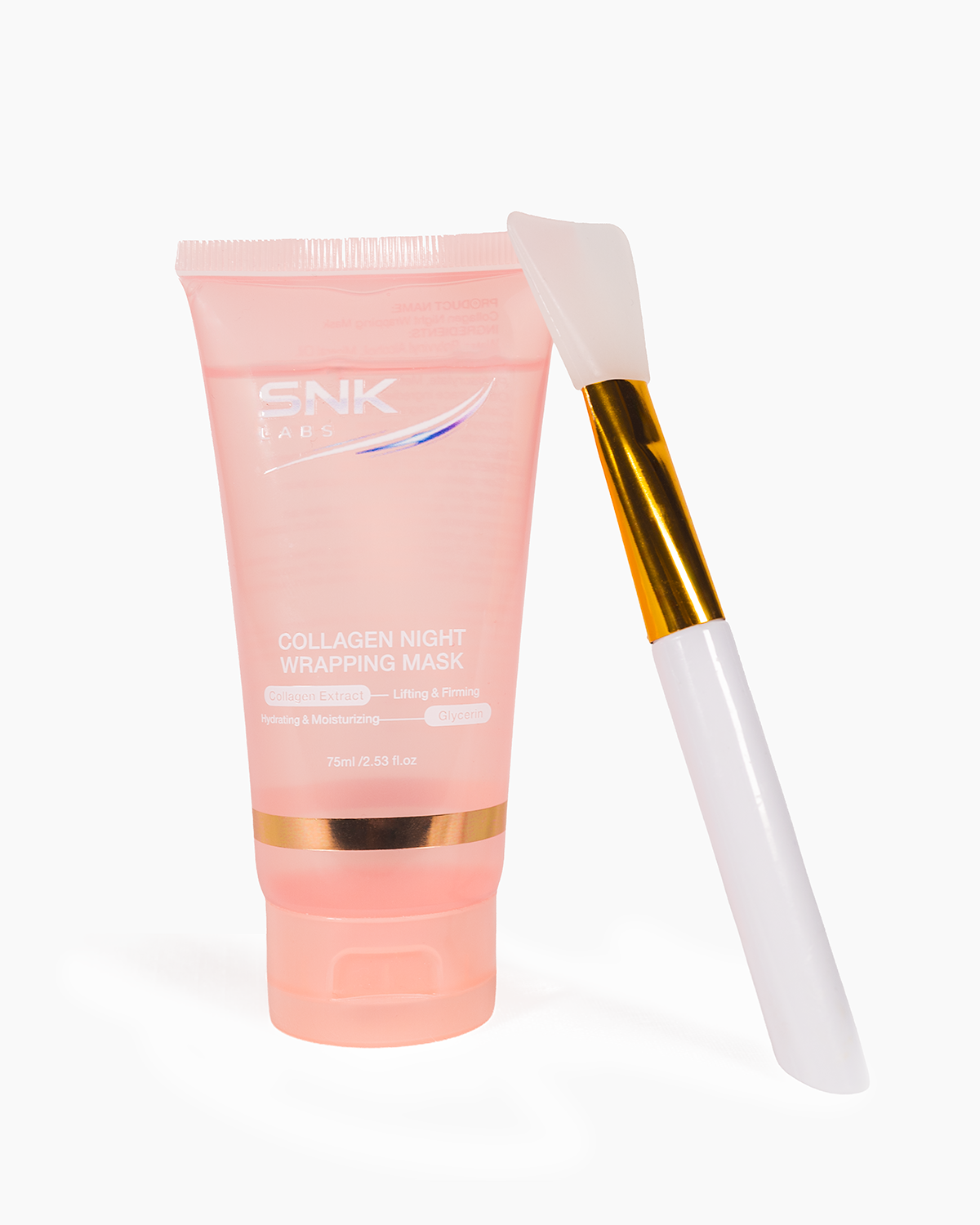
Worth being upfront about something here: our own Collagen Night Wrapping Mask doesn't contain hyaluronic acid. It uses glycerin and trehalose instead — different humectants doing the same job — combined with an overnight film that slows how quickly that moisture escapes. We mention it because the point of this article is that the ingredient category matters more than the ingredient name, and it would be odd to make that argument while implying our own product needs the fashionable one to work.
Barrier-Supporting Ingredients
This is the category most routines are short on, and the one most likely to make a difference if your skin feels persistently tight, flaky or reactive.
Your skin barrier is the outermost layer — a structure of cells held together by lipids. When those lipids are depleted, by over-cleansing, over-exfoliating, harsh weather or simply too many actives at once, the barrier stops holding moisture in and stops keeping irritants out. Skin then feels tight after washing, stings when products are applied, and reacts to things it previously tolerated.
Ceramides are a major component of those lipids — they're what the barrier is already substantially made of. Applying them tops up what's there, which is why they suit sensitive and dehydrated skin particularly well. They also work differently from most actives: they're not changing anything, they're replacing something. We're publishing a full guide to ceramides and the skin barrier on 8 September.
Cholesterol and fatty acids are the other two components of that lipid structure, and there's reasonable evidence that the three work best in combination rather than alone.
Occlusives take a different approach: rather than replacing lipids, they form a physical layer over the skin that slows water loss. This is the mechanism behind overnight masks and heavier night creams — including the film our own Collagen Night Wrapping Mask forms while you sleep. Simple, unglamorous, and effective for exactly what it does.
Appearance and Tone Ingredients
This is the slowest category, and the one where expectations most often outrun reality. These ingredients affect how skin looks over time. They are not treatments for skin conditions, and anything presenting them that way is overstepping.
Niacinamide (vitamin B3) supports the barrier and helps improve the appearance of uneven tone. It's well tolerated by most people and combines easily with other ingredients. The interesting question is concentration — most published research sits between 2% and 5%, while products marketed at 10% or higher are common. Higher isn't automatically better, and can increase the chance of irritation. We're unpacking that on 15 September.
Alpha-arbutin is used to help improve the appearance of uneven tone, generally regarded as gentler than older alternatives.
Antioxidants — vitamin C, vitamin E, various botanical extracts — help protect the skin from environmental stress. Vitamin E is also doing a second job in most formulations: protecting the product itself from oxidising.
None of these ingredients treats a skin condition. If you're dealing with persistent pigmentation, acne or rosacea, that's a conversation for a GP or dermatologist. Cosmetic ingredients can improve how skin looks. They're not a substitute for medical advice, and it's not in your interest for anyone to blur that line.
Ingredients That Get Overclaimed
Not naming brands here — this is about patterns worth recognising, and they're industry-wide.
- Ingredients named after what they resemble — a substance your body produces isn't necessarily one your skin can absorb. Molecule size is a hard limit, and marketing tends to skip past it
- Invented technical language — proprietary-sounding names with a number attached often describe something ordinary. If a term appears nowhere in cosmetic science literature, that's informative
- Duration claims — precise-sounding hydration timeframes are usually derived from specific test conditions that don't resemble a normal day
- "Clinically proven" without a subject — proven to do what, in how many people, over what period? Testing an ingredient isn't the same as testing the finished product
- Percentage as a headline — a high number only means more of something. Whether more is better depends entirely on the ingredient
The most reliable signal, in our experience, is a brand willing to tell you what a product doesn't do. It's a harder sentence to write, and it's the one that's worth something.
A Simple Framework for Choosing a Product
Four questions, in order.
- Which of the three jobs do I actually need? Tight and flaky suggests barrier. Dull and dehydrated suggests hydration. Uneven tone suggests the appearance category — and a longer timeframe.
- Does this product do that job, and does my routine already cover it? Three hydrating serums is a common and expensive way to solve one problem repeatedly.
- Where do the named ingredients sit on the list? Find the preservative. See what's above it.
- Does the brand say what it can't do? Products that describe their limits tend to be more accurate about everything else.
Fewer products, chosen deliberately, will almost always outperform more products chosen enthusiastically. Most skin doesn't need a ten-step routine. It needs a cleanser that doesn't strip it, something that hydrates, something that supports the barrier, and sunscreen in the morning.
Frequently Asked Questions
What should every routine include?
A gentle cleanser, something hydrating, something that supports the barrier, and sunscreen in the morning. That covers the three jobs plus the single most evidence-backed thing you can do for your skin's long-term appearance. Everything beyond that is optional refinement rather than foundation.
Does the order of ingredients on the list matter?
Yes, down to about 1%. Ingredients are listed by descending concentration until that point, after which manufacturers can order them freely. Find a preservative or fragrance in the list and treat it as a marker — anything below it is present in a very small amount.
Can you use hyaluronic acid and niacinamide together?
Yes. They do different jobs and there's no meaningful conflict between them. The advice to avoid combining them is largely a myth. Apply the lighter, more watery product first, and if your skin is sensitive, introduce one new ingredient at a time so you can tell what's causing what.
What does "active ingredient" actually mean?
In cosmetics, very little — it's a marketing term rather than a regulated one, generally used for whichever ingredient a brand wants to highlight. In medicines the term has a strict legal meaning. On a moisturiser it usually just means "the one on the front of the box."
How long should I use something before deciding it works?
Hydration effects show within days. Barrier improvements take four to six weeks. Anything affecting the appearance of tone or texture needs eight to twelve weeks, because skin cell turnover sets the pace — the same reason hair takes as long as it does. Judge accordingly.
The Takeaway
You don't need to memorise a chemistry glossary to shop well. You need to know which of three jobs an ingredient does, roughly where it sits on the list, and whether the brand is being straight with you about the limits.
That's genuinely most of it. The rest is preference, budget and consistency — and consistency matters more than any single ingredient on this page.
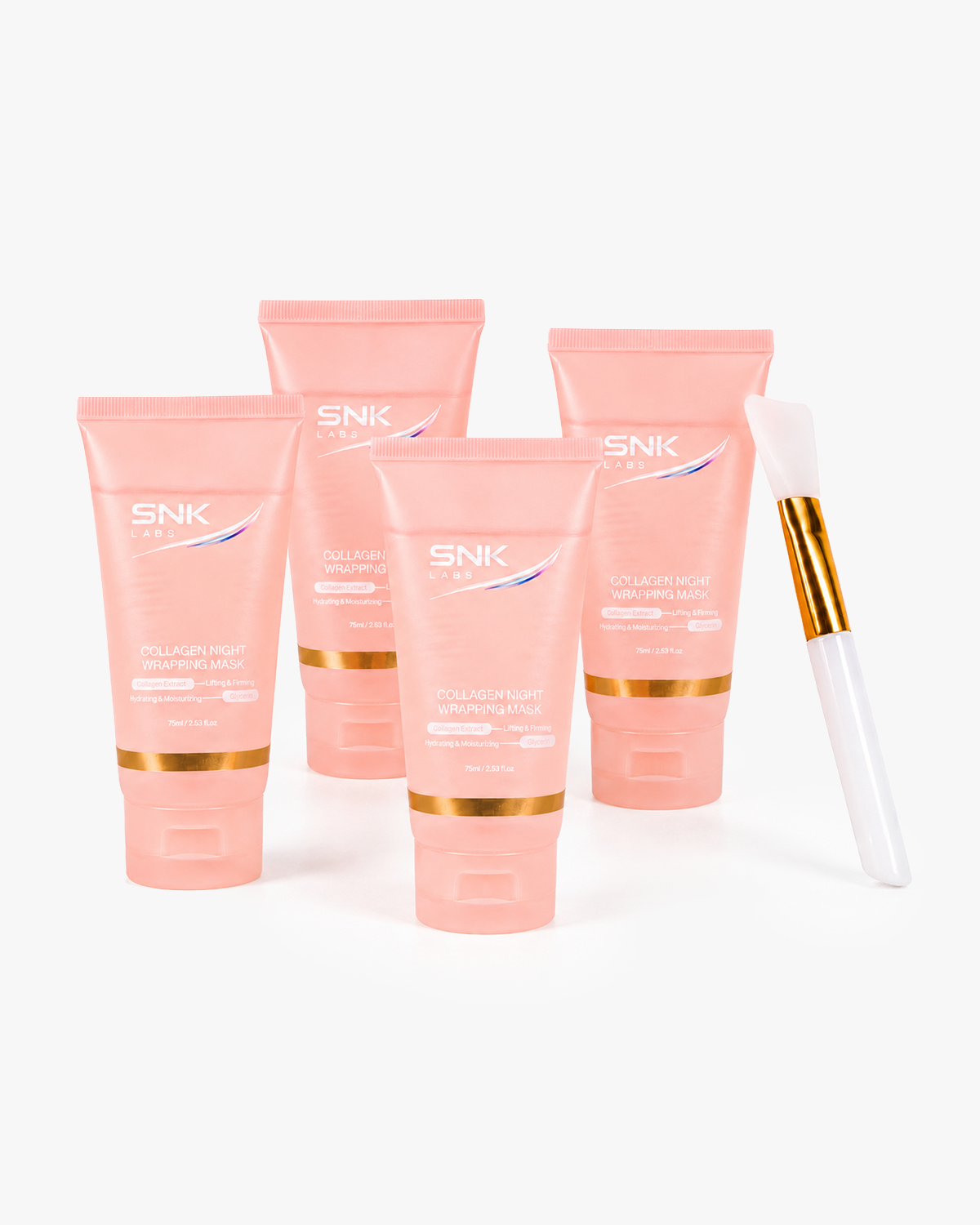
Our Collagen Night Wrapping Mask is a straightforward example of the second and third ideas working together: humectants to draw water in, an overnight film to slow it escaping. You can see it alongside the rest of our skincare range.
Read the list. Know the job. Choose with confidence.
Individual results may vary. This product is intended for cosmetic use only.