

What Is PDRN in Skincare? An Honest Explainer
🛍 Shop the PDRN Pink Collagen Gel Toner Pads →

PDRN stands for polydeoxyribonucleotide, fragments of DNA, usually sourced from salmon, used in skincare as a conditioning and hydrating ingredient. It's important to separate two very different things using the same name: the injectable clinical procedure, and the topical cosmetic. They are not the same, and a pad or serum will not do what an injection does.
PDRN is the fastest-rising ingredient in skincare right now, with searches up around 700% in recent months. It's also the one where the gap between what's being claimed and what a cosmetic can actually deliver is widest.
We sell a PDRN product, so read this with that in mind. It's still worth setting out clearly, because the confusion here is genuinely significant, and most of it comes from one specific source.
What PDRN Actually Is
Polydeoxyribonucleotide is a chain of DNA fragments. In cosmetics it's typically derived from salmon, chosen because salmon DNA shares a high degree of similarity with human DNA.
On an ingredient list you'll see it written as Sodium DNA, or occasionally as salmon DNA or polynucleotides. If a product advertises PDRN on the front, that's the entry to look for on the back.
The ingredient arrived in cosmetics from medicine, which is the root of the confusion. It has a genuine clinical history, and that history involves injections, not toners.
The Distinction That Matters Most
This is the whole article, really.
Injectable polynucleotide treatments are clinical procedures, performed by trained practitioners, delivering the material beneath the skin's surface. That's a medical or aesthetic treatment with its own evidence base, its own risks, and its own regulatory status.
Topical PDRN in a cosmetic is a completely different proposition. It sits on the surface of the skin, where it works as a conditioning and hydrating ingredient. It does not reach the layers an injection reaches, because that's precisely what the skin barrier exists to prevent.
Almost every overstated PDRN claim comes from collapsing these two things into one. You'll see a topical product described using evidence generated by an injectable procedure, and the two get presented as though they're the same ingredient doing the same thing.
They aren't. A cosmetic pad is not a clinical treatment, and no brand should imply otherwise — ourselves included.

What Topical PDRN Reasonably Does
Framed as a cosmetic ingredient, which is what it is in a pad or serum:
- Hydrates and conditions — it binds water at the skin's surface, which is the mechanism most cosmetic ingredients in this space share
- Helps skin feel comfortable — the property most consistently attributed to it in topical use
- Contributes to smoother-looking skin — via hydration, which is how most visible short-term improvement happens
- Works alongside the rest of the formula — in most products it sits with humectants and calming botanicals doing complementary jobs
That's a modest list compared to what's circulating online, and it's the honest version.
Claims to Be Sceptical About
Four phrases that should make you check the source.
| The claim | Why to be cautious |
|---|---|
| "Regenerates skin cells" | A regenerative claim belongs to clinical procedures, not cosmetics. Topicals work at the surface |
| "Repairs and heals skin" | Healing is a therapeutic claim. Cosmetics aren't for broken or damaged skin |
| "Rebuilds collagen" | No topical product rebuilds collagen, the same limitation applies here as anywhere else |
| "Same technology as the clinic treatment" | Same ingredient name, entirely different delivery. Delivery is most of what determines the outcome |
We've made the same argument about collagen, and it holds here for the same reason, see does collagen cream actually work?
So Is a PDRN Product Worth Buying?
Often yes, for the right reason.
A well-made PDRN product is usually a well-made hydrating and conditioning product. PDRN is doing surface work alongside whatever else is in the formula, and it's the whole formula that determines whether your skin likes it.
What we'd not do is pay a premium specifically for the PDRN content, or choose between two products on the basis of which claims more of it. That number tells you very little, and if you're expecting an injectable's outcome from a pad, you'll be disappointed regardless of concentration.
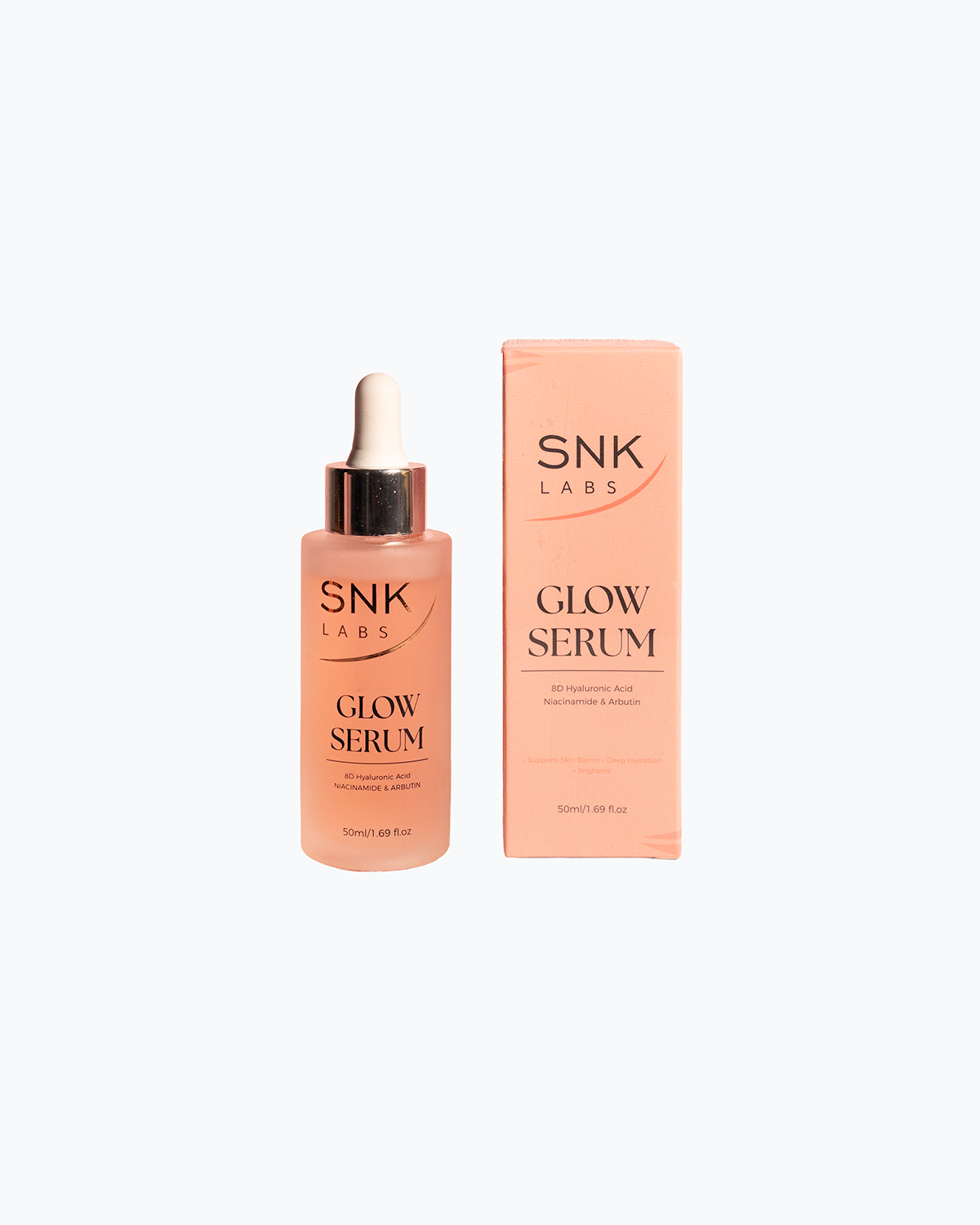
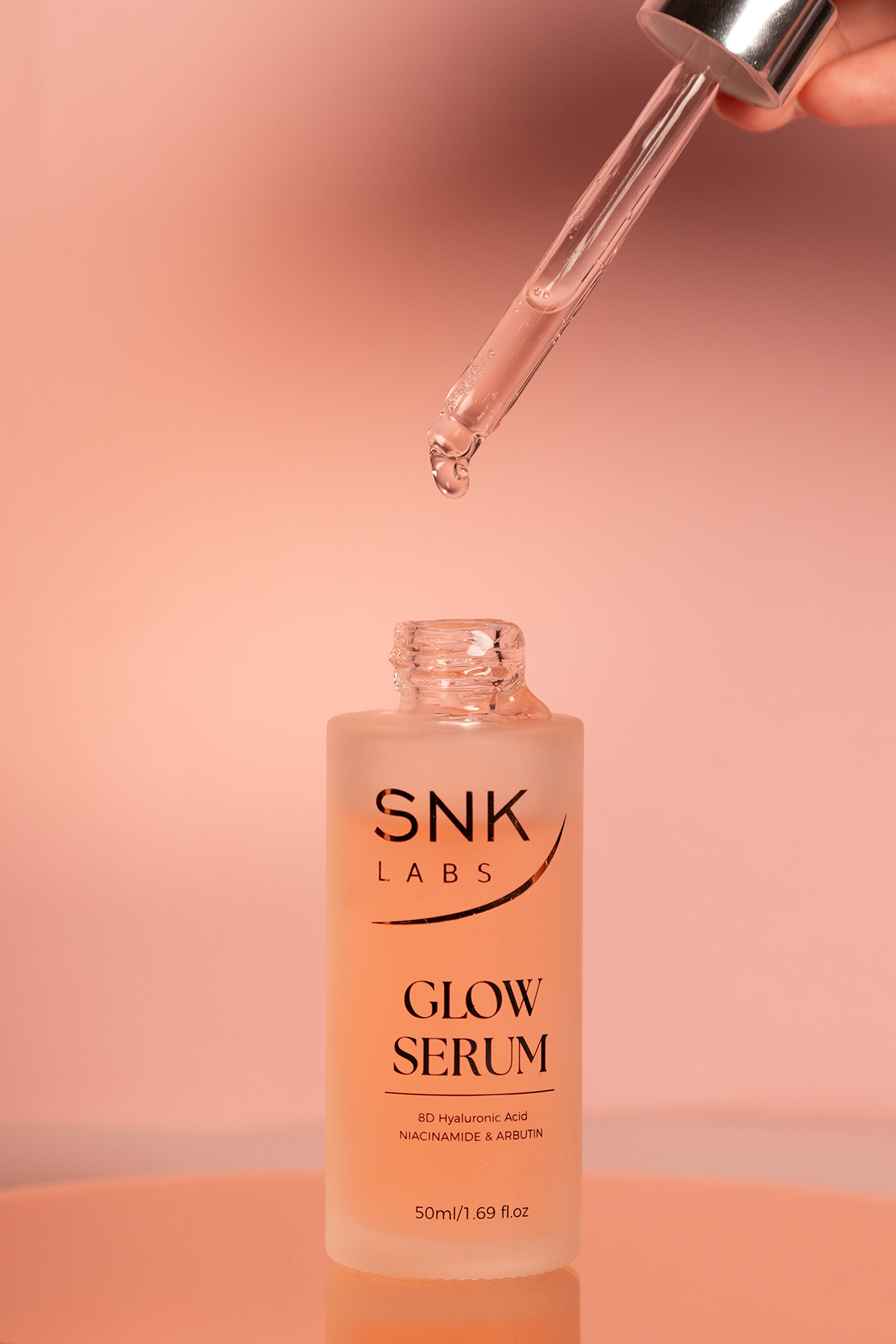
If pads suit how you like to apply things, they're a genuinely convenient format. If you'd rather a dropper, our Glow Serum covers similar ground with a hyaluronic acid complex, niacinamide and a five-type ceramide complex.
Frequently Asked Questions
What does PDRN stand for?
Polydeoxyribonucleotide, chains of DNA fragments, usually derived from salmon. On an ingredient list it most often appears as Sodium DNA. It's used in cosmetics as a hydrating, skin-conditioning ingredient.
Is topical PDRN the same as the injectable treatment?
No, and this is the most important thing to understand about it. Injectable polynucleotide treatments are clinical procedures delivering material below the skin's surface. A topical product works on the surface. Same ingredient name, fundamentally different delivery and outcome.
Is PDRN suitable for sensitive skin?
It's generally well tolerated in topical formulations, and often paired with calming ingredients like centella. As with anything new, patch test first and stop if you notice irritation. If you have a diagnosed skin condition, speak to a GP or dermatologist before adding anything.
Is salmon DNA in skincare safe?
Cosmetic-grade PDRN is a purified, processed ingredient used within cosmetic regulations. It's worth knowing the source if you avoid animal-derived ingredients for dietary, religious or ethical reasons, it is not a vegan ingredient.
How long before I notice anything?
Hydration effects are usually felt fairly quickly. Anything beyond that is gradual and depends on consistent use. Be wary of any product promising visible transformation in days, that timeline doesn't match how skin works.
The Takeaway
PDRN is a legitimate cosmetic ingredient having an enormous moment, and the moment is being fuelled by evidence that belongs to a different product category entirely.
As a hydrating, conditioning ingredient in a well-built formula, it's a reasonable thing to use. As a substitute for a clinical procedure, it isn't one, and no amount of marketing changes the delivery problem.
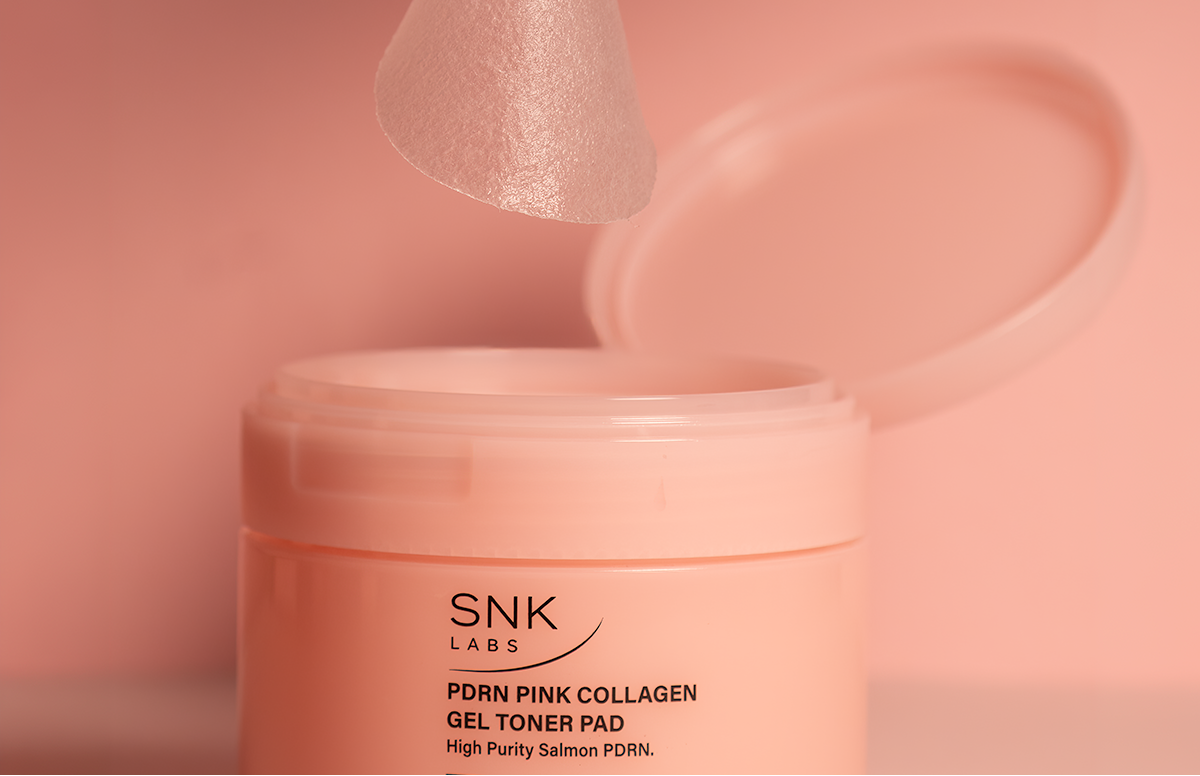
Our PDRN Pink Collagen Gel Toner Pads pair it with niacinamide and centella in a pre-soaked pad. Browse the rest of our skincare range.
Same name. Different thing.
Individual results may vary. This product is intended for cosmetic use only.