

What Is Cica? Centella Asiatica, Explained Honestly

Centella asiatica, usually shortened to cica, is a botanical extract used in skincare for its calming, conditioning properties. It's a staple of Korean formulations aimed at sensitive and reactive skin, valued because it helps skin feel comfortable without the irritation that comes with most active ingredients. It's a supporting botanical, not a treatment.
If you've picked up almost any Korean skincare product aimed at sensitive skin in the last five years, you've used cica. It's become so standard in that category that a Korean formulator once described it to a writer as basic like rice.
It's also one of the more sensibly-hyped ingredients in skincare, which is rarer than it should be. Here's what it is, what it does, and where the marketing tends to overreach.
What Centella Asiatica Is
Centella asiatica is a small creeping herb native to wetlands across Asia. You'll see it under several names: cica, tiger grass, gotu kola, brahmi, or pegaga.
The "tiger grass" name comes from a story about wounded tigers rolling in patches of it. Charming, and almost certainly apocryphal. "Cica" is short for cicatrisant, a term from traditional medicine.
The plant contains several compounds of cosmetic interest, madecassoside and asiaticoside are the two most often named on ingredient lists and in marketing. You don't need to know the chemistry. What's useful to understand is that cica is a botanical extract used for its calming and conditioning properties, not an active that changes how your skin behaves.
Why It Became a K-Beauty Staple
This isn't an accident of marketing. It reflects a genuine difference in approach.
Korean skincare philosophy leans toward barrier health and gentle, sustained care rather than aggressive treatment. Western skincare has historically leaned the other way, stronger actives, faster visible change, more irritation tolerated as the price of results.
Centella fits the first approach well. It's well tolerated, it doesn't require a tolerance-building period, and it combines comfortably with almost anything. For someone whose skin has become reactive from over-treatment, that combination is genuinely valuable.
It's also why cica turns up so often alongside ceramides and panthenol. Those three appear together because they're solving the same problem from different angles, our guide to why ceramides matter covers the barrier side in detail.
What Cica Actually Does
- Helps skin feel calm and comfortable — the property it's most consistently used for, and the reason it appears in formulas aimed at reactive skin
- Conditions — it contributes to skin feeling softer and smoother alongside the humectants in a formula
- Antioxidant support — helping protect skin from everyday environmental stress
- Plays well with others — no competing mechanism, so it layers without conflict
What makes it unusual is how boring it is to use. There's no tingle, no purge, no adjustment period. For an ingredient category that often equates sensation with efficacy, cica does the opposite, and that's the point.

Where the Marketing Overreaches
Cica is genuinely useful, and it's also described in ways that go well past what a cosmetic ingredient can do.
You'll see wound-healing language attached to it. That traces back to traditional medicine and to pharmaceutical-grade preparations used in clinical settings, neither of which is the same thing as a botanical extract in a face serum. A cosmetic product is not a wound treatment, and shouldn't be described as one.
You'll also see claims about repairing barriers and stimulating collagen. Be sceptical. Supporting how skin looks and feels is a reasonable cosmetic claim. Changing skin's biological structure is not, and the two get blurred constantly in this category.
Our position: cica helps skin feel calm and conditioned. That's a real, useful, honest benefit, and it's what we'd have you expect from it.
What Cica Won't Do
- It won't treat eczema, dermatitis, rosacea or acne. Diagnosed conditions need a GP or dermatologist, not a serum
- It won't heal wounds. Cosmetic products are not for broken skin
- It won't brighten or even out tone. Different job, that's what niacinamide and arbutin are for
- It won't work instantly. Comfort may improve quickly; anything cumulative takes weeks of consistent use
How to Read a Cica Product Label
- Look for "Centella Asiatica Extract" or a named compound like madecassoside. Vague references to a "cica complex" with no detail tell you nothing.
- Check where it sits on the list. Find the preservative, anything below it is present in trace amounts, whatever the front of the bottle says.
- See what it's paired with. Cica alongside ceramides, panthenol and humectants is a considered barrier formula. Cica alongside fragrance and strong acids is working against itself.
- Check the claims. A brand promising healing or repair is telling you something a cosmetic can't deliver.
Our guide to reading a skincare ingredient list covers the 1% line trick in full.
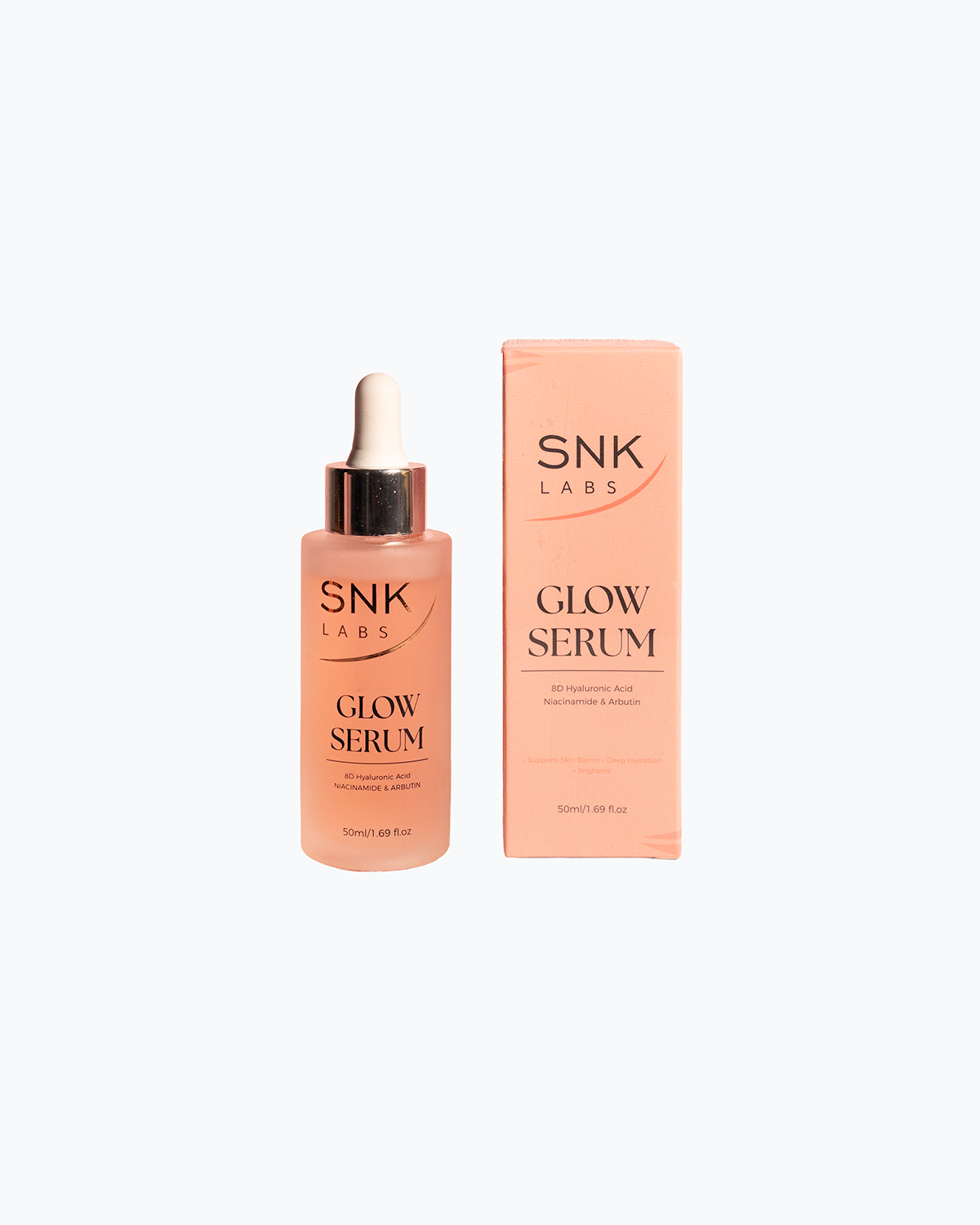
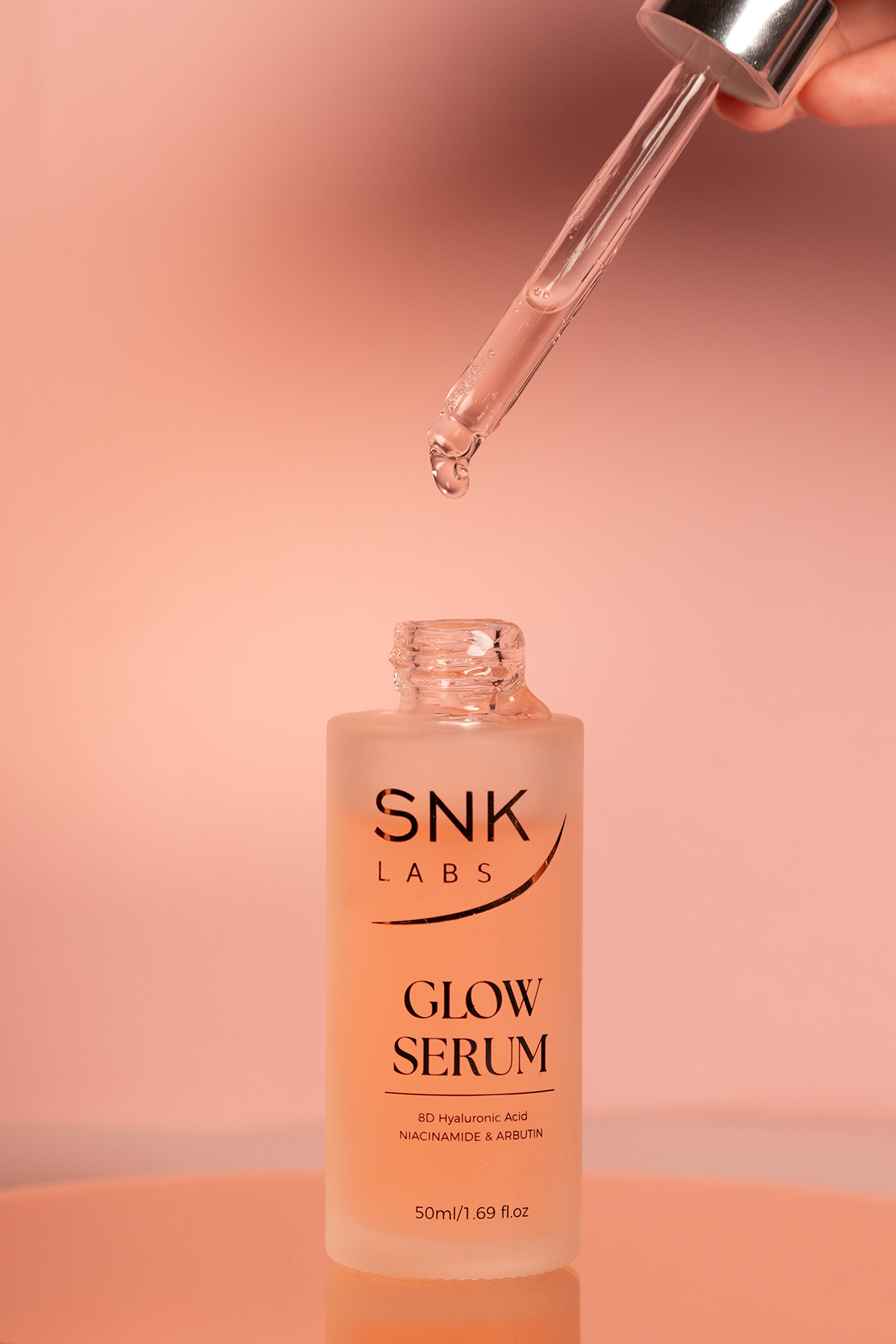
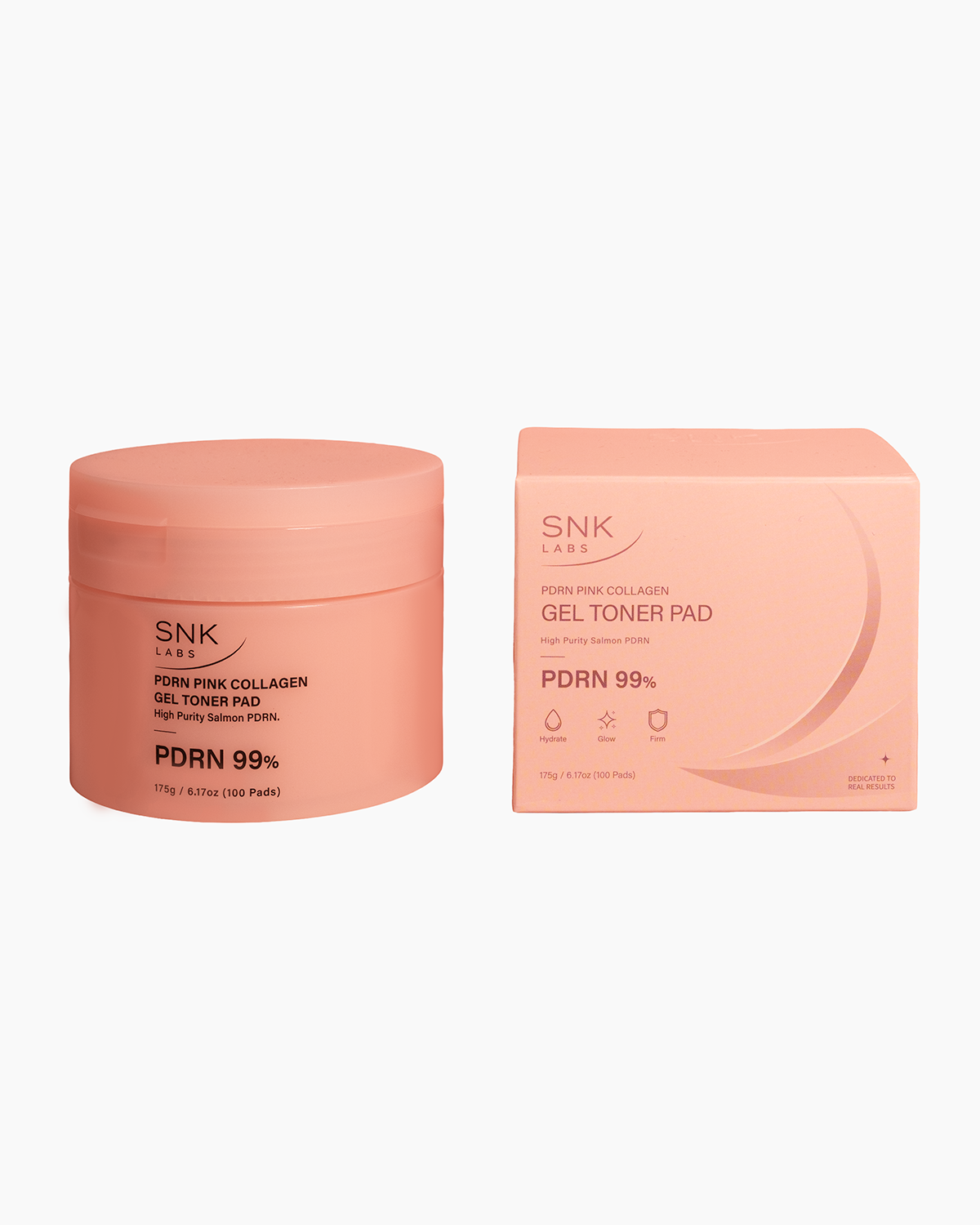
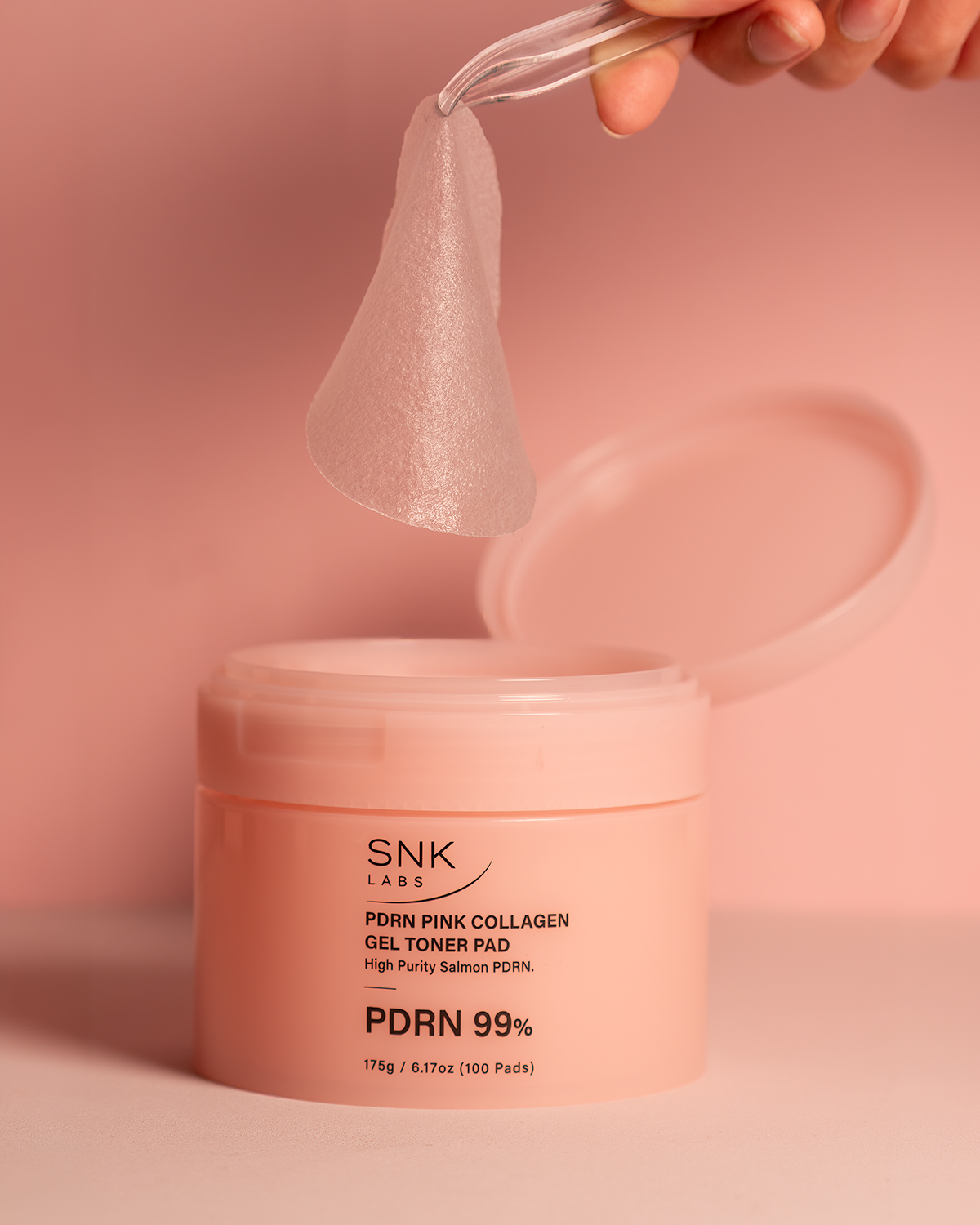
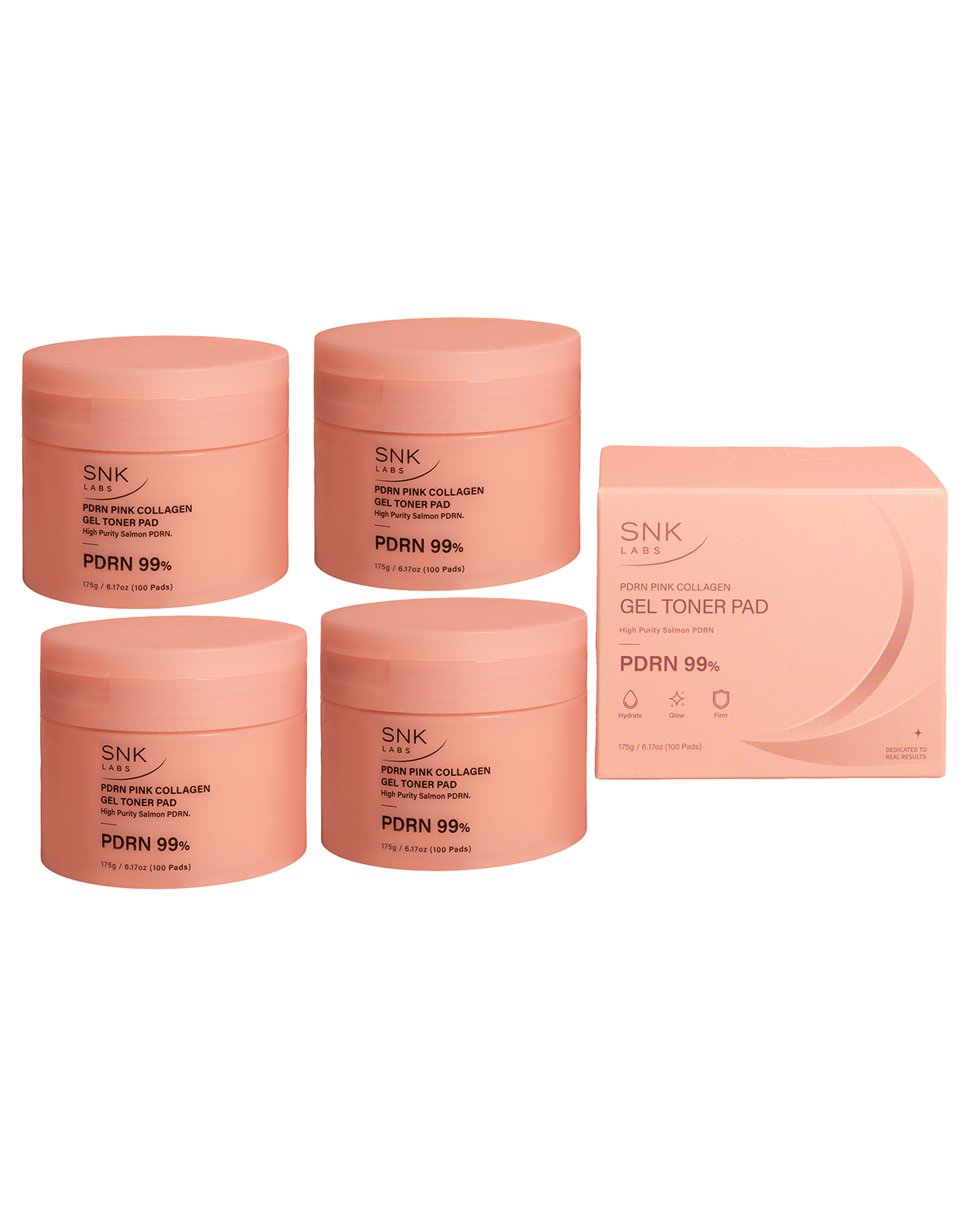
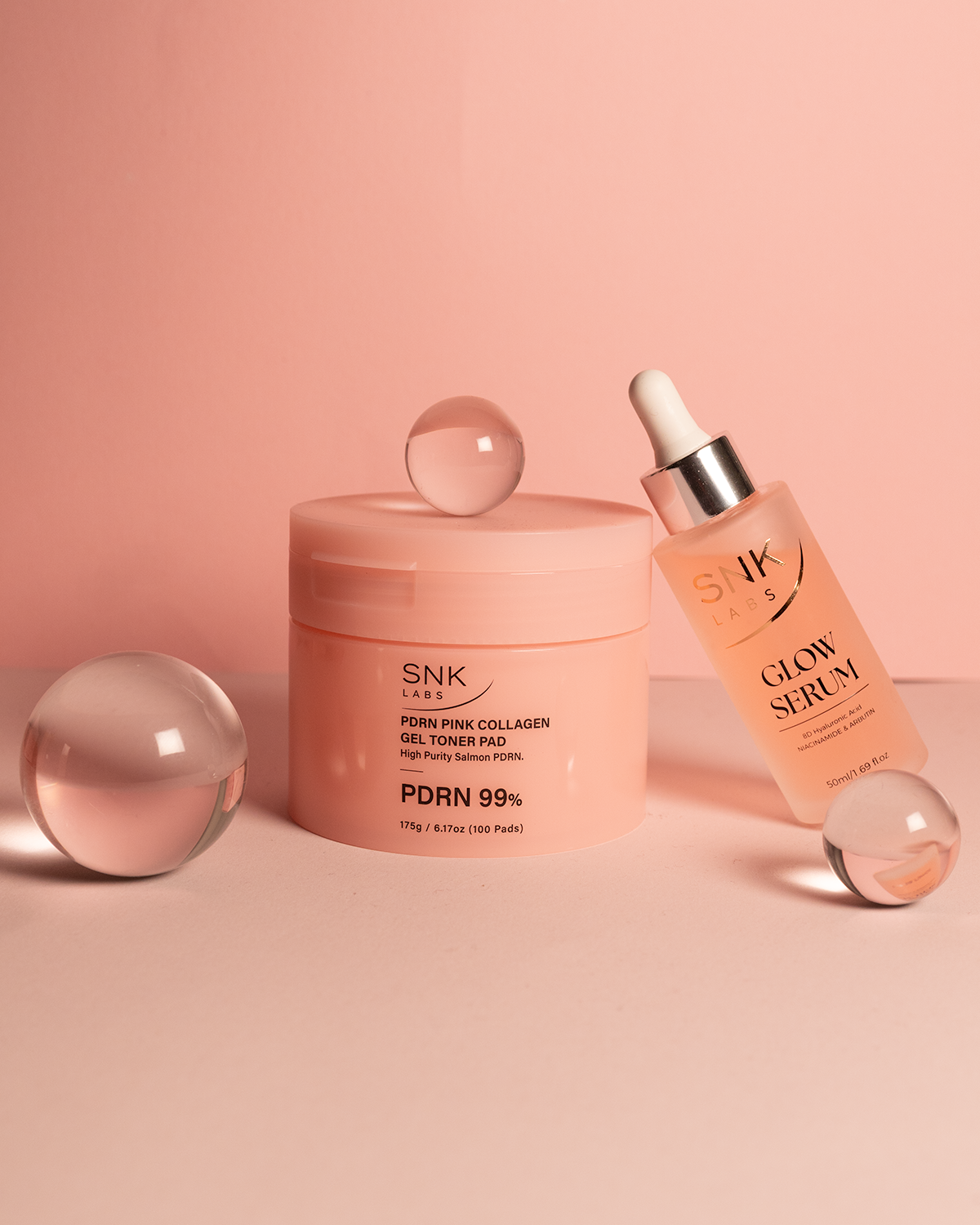
Centella appears in two of our own products, in different formats. It's in the Glow Serum alongside panthenol, allantoin and a five-type ceramide complex, the barrier grouping described above. It's also in our PDRN Pink Collagen Gel Toner Pads, if you'd rather a pre-soaked pad than a dropper.
Frequently Asked Questions
What's the difference between cica and centella asiatica?
None, cica is simply the shorthand. You'll also see it as tiger grass, gotu kola or brahmi, depending on the brand and market. On an ingredient list it will usually appear as Centella Asiatica Extract, or as one of its compounds such as madecassoside.
Is cica good for sensitive skin?
It's one of the ingredients most often chosen for it. Centella is well tolerated, doesn't require a tolerance-building period, and doesn't compete with other products in your routine. As always, patch test anything new and stop if you notice irritation.
Can I use cica with retinol or acids?
Yes, and it's a common pairing. Because cica isn't working through the same mechanism as an active, there's no direct conflict, and calming ingredients can make stronger actives more comfortable to use. Apply the lighter product first when layering.
Does cica help with redness?
It's widely used in formulas aimed at skin that looks and feels irritated, and many people find it comfortable for that reason. It isn't a treatment for rosacea or any diagnosed condition though, persistent redness is worth seeing a healthcare professional about.
How long before I notice anything?
Skin often feels more comfortable fairly quickly. Anything beyond that builds gradually with consistent use over several weeks. Cica isn't a dramatic ingredient, and judging it on a few days won't tell you much.
The Takeaway
Cica earned its place. It's gentle, well tolerated, layers with anything, and it suits the kind of skin that's been over-treated into reactivity, which is a great deal of skin.
Just hold the claims to a cosmetic standard. It helps skin feel calm and conditioned. It isn't healing anything, and it doesn't need to be, because calm and conditioned is a perfectly good outcome.
Browse our skincare range, or read our guide to what hyaluronic acid actually does for more on how the hydration side fits together.
Calm skin. Fewer claims.
Individual results may vary. This product is intended for cosmetic use only.